
Welcome to WordPress. This is your first post. Edit or delete it, then start writing!
Co-Management Activities, LivelihoodEmpowering Communities and Transforming Lives: The Impact of Collaborative Management on Sustainable Development
Tataw Noel
November 4, 2026
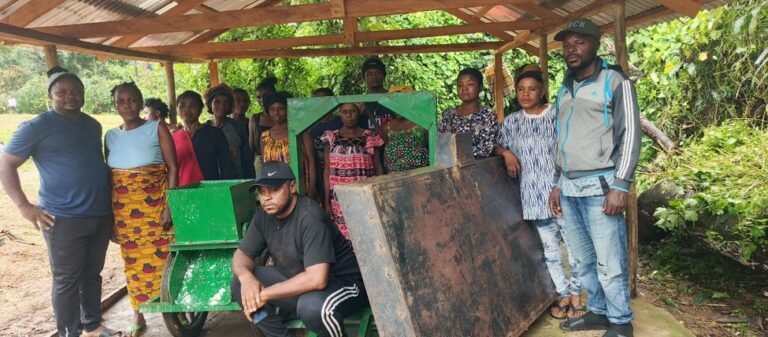
Empowering Communities Through Cassava Processing in Takamanda National Park
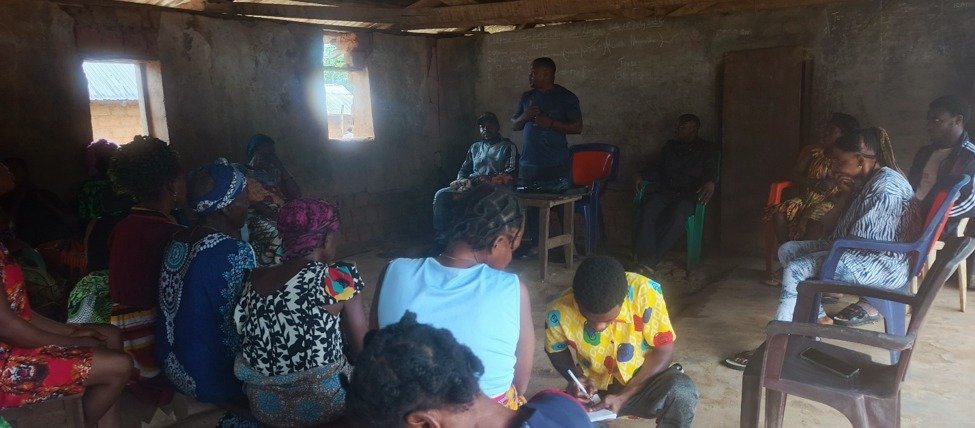
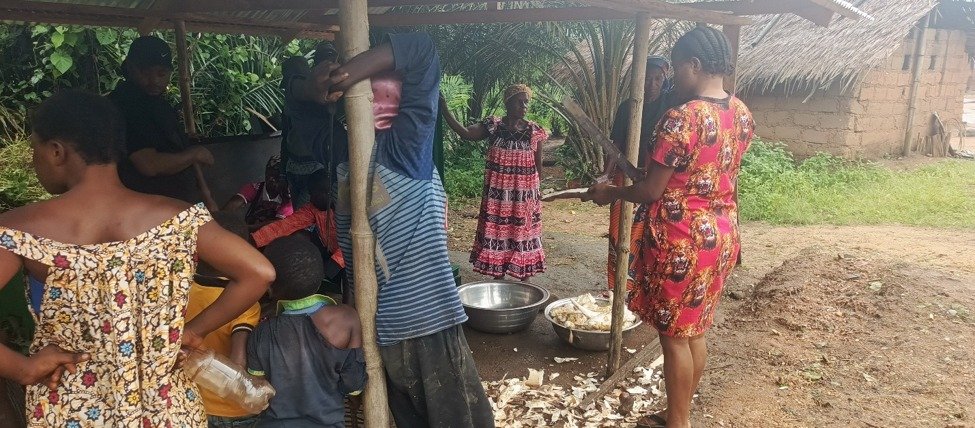
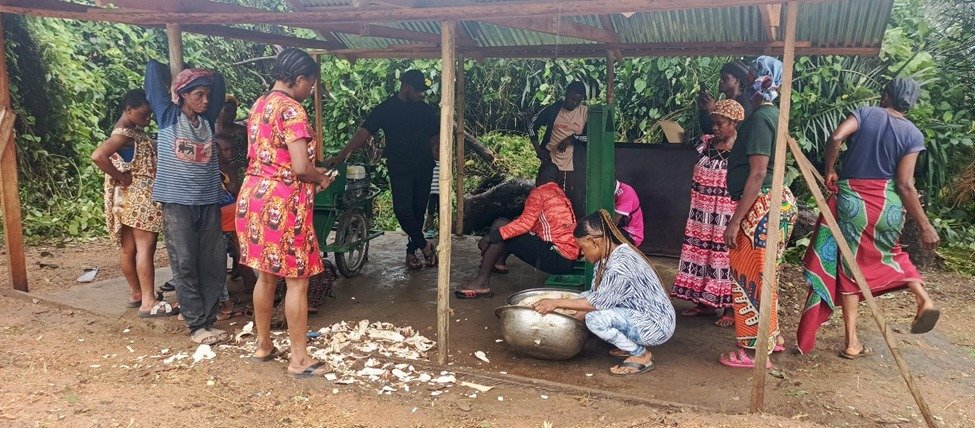
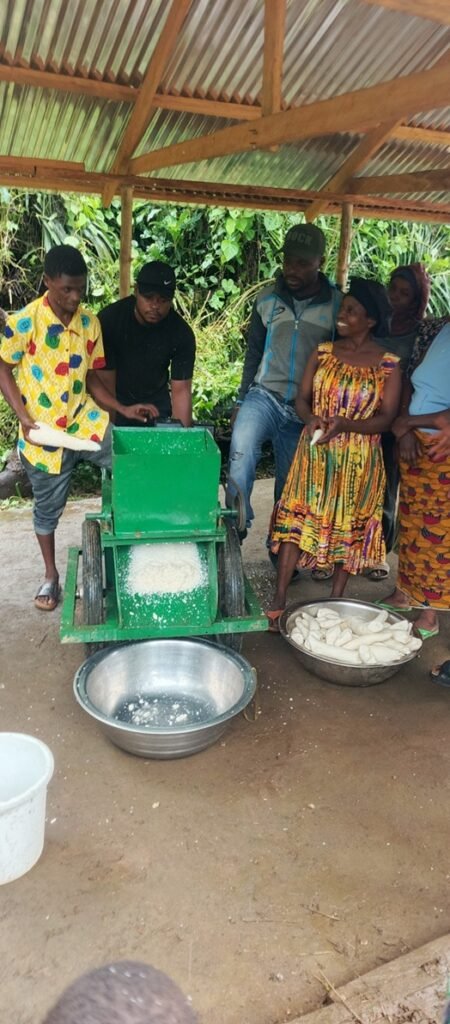
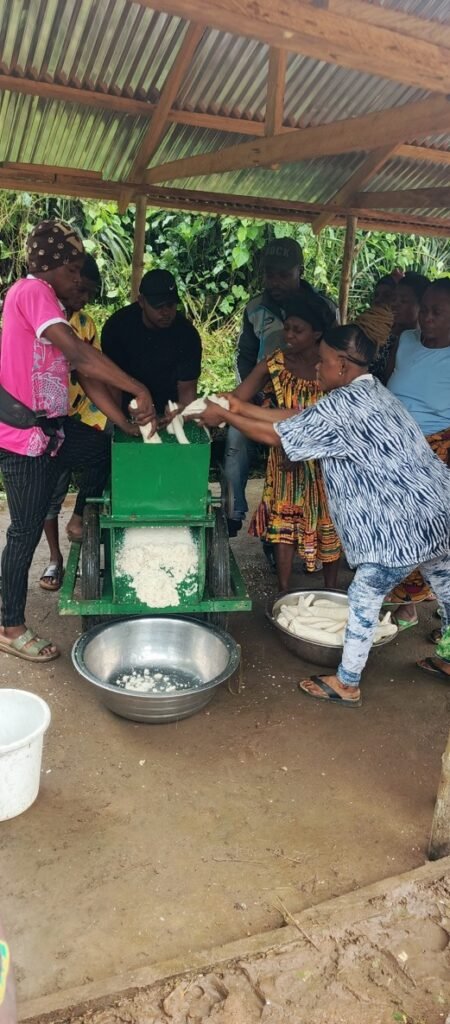
In a significant step towards enhancing local livelihoods and promoting sustainable development, the Programme for the Sustainable Management of Natural Resources in the South West Region (PSMNR SWR) has successfully trained community members and provided two cassava processing units in the villages of Kekpani and Mbilishe, located in the Takamanda National Park area. This initiative is part of a broader effort to foster effective participation of local communities in the management of Protected Areas (PAs), ensuring that conservation efforts align with local development needs.
The PSMNR SWR, co-financed by the Federal Republic of Germany through KFW (German Development Bank), aims to create a partnership between communities and park services. By implementing Cluster Conservation and Development Agreements, the program supports various Collaborative Management Activities (CMAs) and Village Development Measures (VDMs) designed to enhance local community livelihoods and promote sustainable resource management. Cassava, a staple crop for these communities, is often processed through manual methods that are inefficient and lead to significant post-harvest losses. The recent armed conflict in the South West and North West regions has further exacerbated these challenges, forcing many farmers to abandon their cassava farms and reducing production levels.
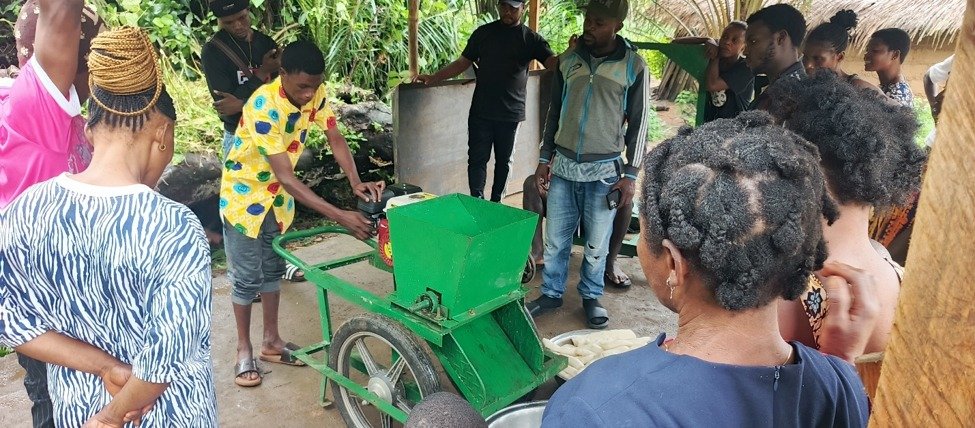
A fair profit-sharing model was established, allowing the community to reinvest in development initiatives while compensating machine operators and maintaining the equipment. This benefit-sharing mechanism will ensure that profits from the processing units contribute to community development, including a fixed percentage allocated to a village development fund and direct dividends distributed among the active women processors based on their labor input.
The introduction of mechanized cassava processing is set to revolutionize the local value chain, significantly reducing labor intensity and post-harvest losses. By converting raw cassava into shelf-stable products, the processing units will enhance food security, create employment opportunities—particularly for women and youth—and provide a substantial increase in income for local farmers. With an estimated output of approximately 100 kg of finished gari or flour per operational shift, the units will facilitate the processing of 500 kg of fresh cassava tubers daily, leading to a projected net monthly revenue increase of 300% to 400% compared to manual processing methods.
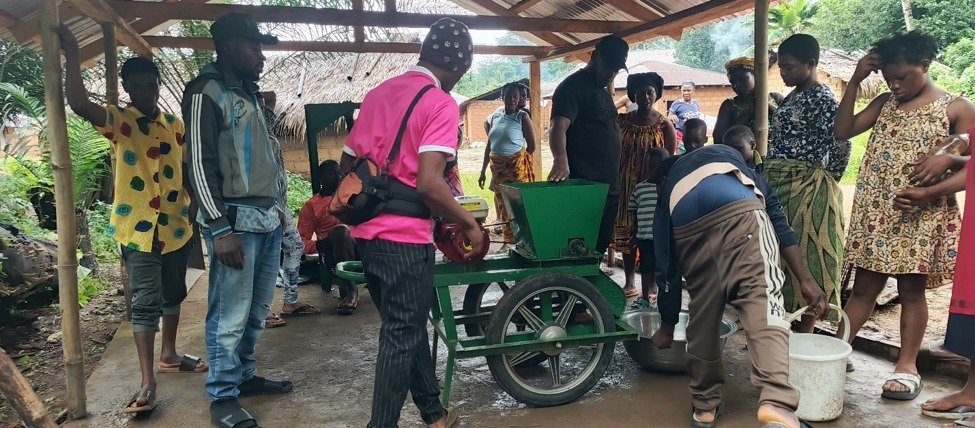
This initiative exemplifies the PSMNR SWR’s commitment to empowering local communities while promoting sustainable development and biodiversity conservation in and around Takamanda National Park. By integrating community needs with conservation goals, the program not only enhances local livelihoods but also strengthens the relationship between the park and the communities it serves.
 Tataw Guilen-Noel (Ph.D)
Takamanda National Park
Tags :
Share this :