Takamanda-Cross River Gorilla Biosphere Reserve Nomination
Tataw
April 10, 2026
A Sanctuary for the Critically Endangered Cross River Gorilla
Nestled along the ecologically rich border between Cameroon and Nigeria lies a landscape of global significance – the proposed Takamanda-Cross River Gorilla Biosphere Reserve. This unique mosaic of lowland rainforests, montane cloud forests and riparian corridors harbors some of the rarest and most endangered species on the planet, making it a high-priority conservation site at both national and international levels.
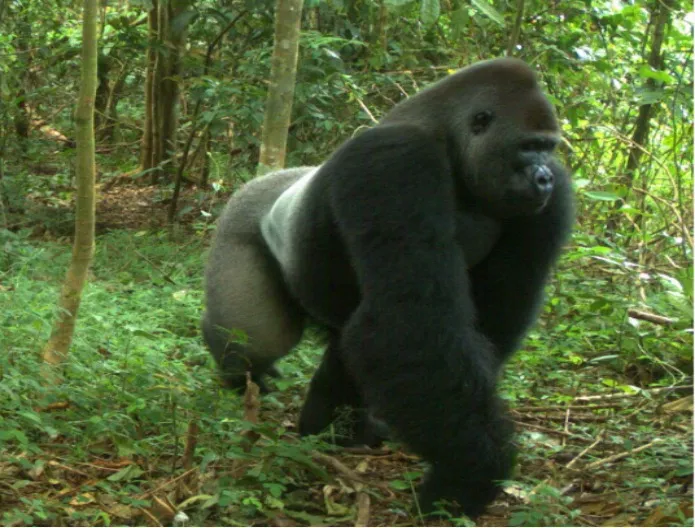
Most notably, the area safeguards one-third of the total global population of the Critically Endangered Cross River Gorilla (Gorilla gorilla diehli) – the most threatened Gorilla subspecies. These fragmented and isolated populations rely on the ecological integrity of this forested corridor for survival.
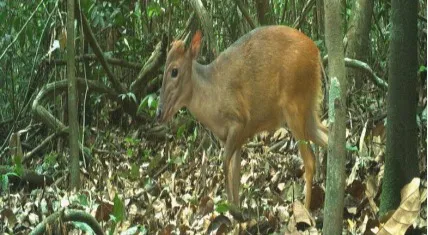
In addition to Gorillas, the area is home to other threatened species such as the Nigeria-Cameroon chimpanzee, the endangered drill, and the Near Threatened Yellow-backed duiker.
The plant biodiversity is equally remarkable, with over 950 species recorded in Takamanda National Park alone, including hundreds of endemic and culturally significant species.
The park has been designated as one of Cameroon’s Important Plant Areas, recognized for its species richness, endemism and the presence of threatened species.
Integrating Conservation and Sustainable Development
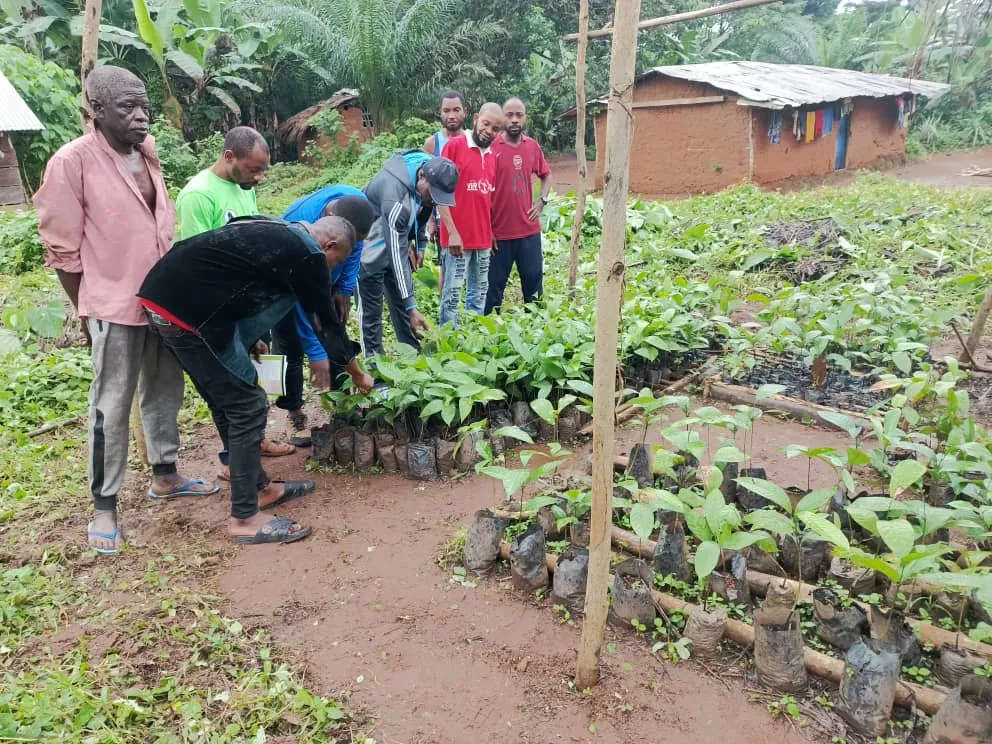
Beyond its ecological significance, the proposed biosphere reserve exemplifies a unique model of sustainable development that integrates biodiversity conservation, community well-being and cultural heritage preservation. At the heart of this approach is a collaborative management framework that empowers local communities as active stewards of the landscape.
Complementing these community-based efforts, the reserve also serves as a hub for research, education, and capacity building. Systematic wildlife monitoring, using a combination of scientific surveys and community-based observations, generates critical data to inform conservation strategies.
Trans-boundary Agreement Between Cameroon and Nigeria
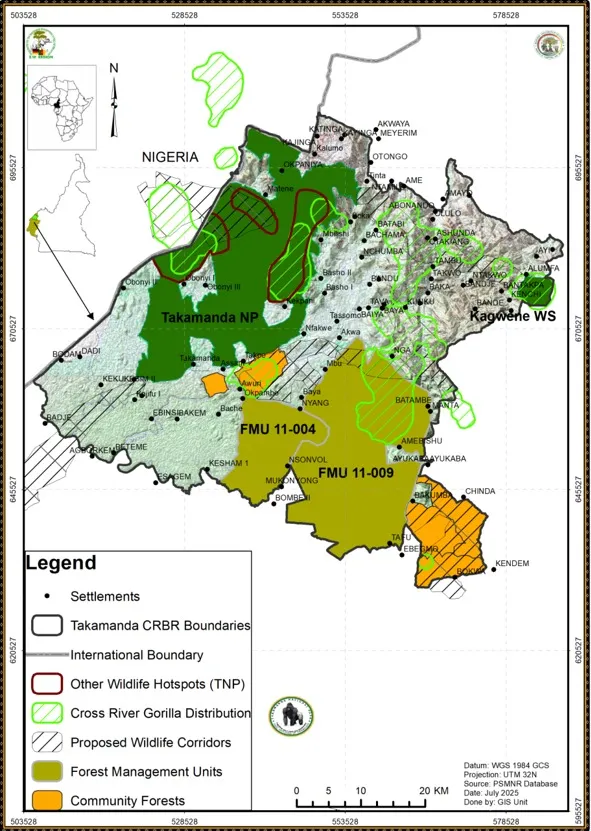
Takamanda national park share boundaries with the Cross River National Park. The porous nature of the park at its north and northwest limits with the neighboring Nigeria has contributed to increased poaching, illegal timber, NTFPs and bush meat trade.
In order to address this, the cooperation framework agreement on transboundary ecosystems conservation and sustainable management of forestry and wildlife resources was signed between Nigeria and Cameroon in Abuja in April 2024 and ratified in 2025 by the President of the Republic of Cameroon.
A Model for Sustainable Development in West-Central Africa
The designation of the Takamanda-Cross River Gorilla Biosphere Reserve will not only safeguard this globally significant biodiversity hotspot but also serve as a model for sustainable development that balances ecological integrity with human well-being.
By leveraging the unique strengths of this landscape – its biodiversity, cultural wealth, and community-driven-stewardship the reserve has the potential to become a cornerstone for conservation and peace building in West-Central Africa.
The journey towards the establishment of the Takamanda-Cross River Gorilla Biosphere Reserve has been a collaborative effort, involving stakeholders at the local, national, and regional levels.
In August 2025, the sub-divisional and divisional validation meetings were held, where participants unanimously endorsed the proposal and provided key recommendations to strengthen its implementation.
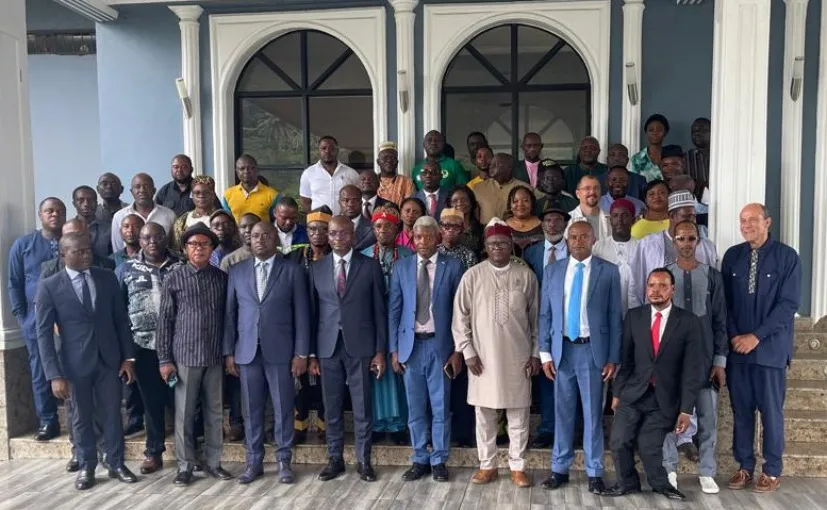
At the regional level, the validation process culminated in a meeting on the 22nd of September 2025, at the hall of the Marcsons Hotel in Limbe, where all stakeholders and participants Endorsed the “TAKAMANDA CROSS RIVER GORILLA BIOSPHERE RESERVE” nomination process and form, with the management zones (Core, Buffer and Transition zones) and its management guidelines.
With the strong support of the Government of Cameroon and the engagement of local communities, conservation partners and regional authorities, the Takamanda-Cross River Gorilla Biosphere Reserve is poised to become a shining example of how biodiversity, cultural heritage, and sustainable development can coexist in harmony. As the process moves forward, the world eagerly awaits the formal designation of this remarkable landscape as Cameroon’s newest biosphere reserve.